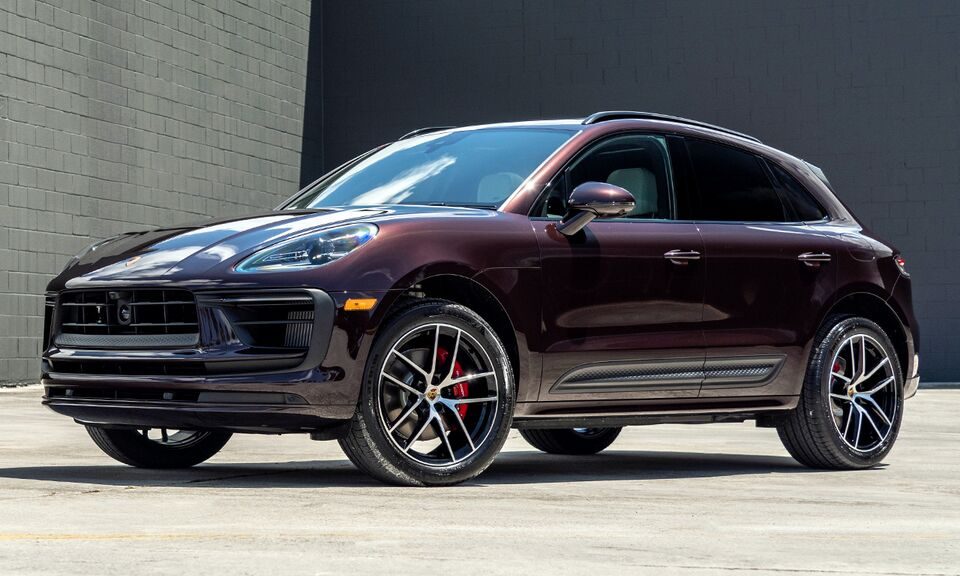
Want a quick read on the GTS Porsche Cayenne? Use these figures to compare drivetrain choices, trim differences and option costs without guessing. This piece covers performance, chassis features and cabin practicality, and points to where you can check official pricing, the configurator and current for‑sale listings before you decide.
Key takeaways
Quick points to help you decide whether the GTS fits your needs and budget. Use these highlights to speed comparisons and guide option choices.
- Performance: 493 hp, roughly 486–487 lb‑ft, and about 4.2 seconds 0–60 mph, delivering near‑Turbo acceleration in an SUV package.
- Trim position: Sits between the Cayenne S and Turbo with a more aggressive character and tuned chassis without Turbo‑level extremes or cost.
- Pricing: Base MSRP typically starts around $129,900–$132,250; commonly chosen options (wheels, brakes, sport packages) often push a build past $150,000.
- Ownership essentials: Routine oil/filter service, regular brake and suspension checks, and verify specs via VIN and the factory sheet.
- Buying checklist: Visual and records review, a controlled test drive and consider CPO/warranty value when negotiating.
1. At a glance: GTS Porsche Cayenne performance and core specs
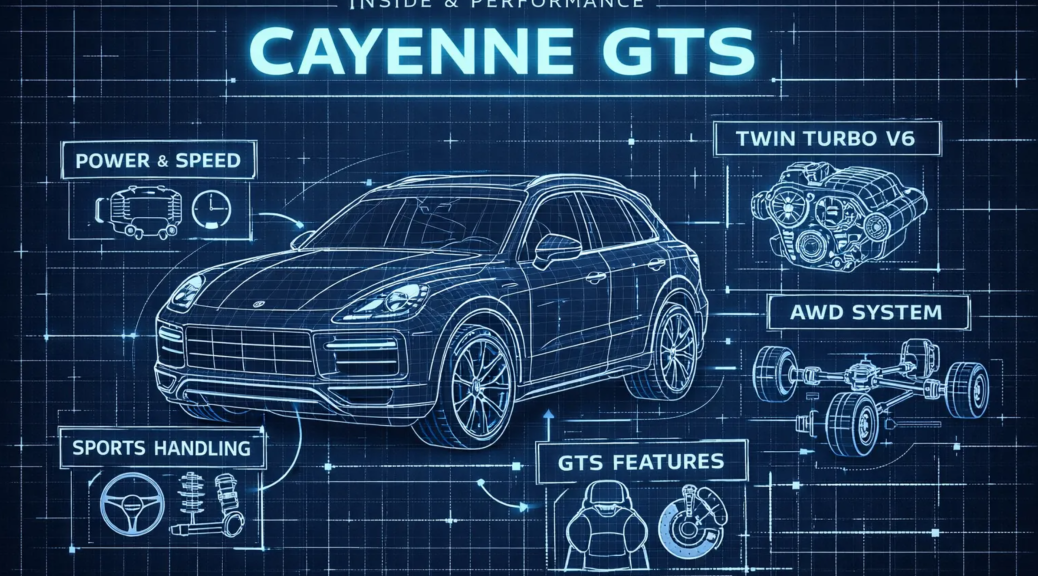
If you need the essentials fast, the Cayenne GTS pairs a 4.0‑liter twin‑turbo V8 with an 8‑speed Tiptronic S and full‑time all‑wheel drive. Rated output is 493 hp at 6,000 rpm and roughly 486–487 lb‑ft available between about 2,100 and 2,300 rpm. Keep these figures in mind when judging acceleration, towing capability and routine drivetrain maintenance.
With Sport Chrono fitted the Cayenne GTS posts a 0–60 mph time near 4.2 seconds and reaches about 171 mph, while combined fuel economy sits around 17 mpg. Those numbers describe a performance‑oriented SUV that still balances day‑to‑day range with sports‑car acceleration.
Chassis equipment shapes the real‑world driving experience. Standard adaptive air suspension with PASM, Porsche Torque Vectoring Plus and optional rear‑axle steering sharpen turn‑in and stabilize high‑speed behavior, while the sport exhaust highlights the V8 character. Upgraded wheels and brakes change unsprung mass and handling response, so review those items carefully when comparing spec sheets.
Cabin practicality is strong: expect supportive multi‑way sport seats, Alcantara or leather trim, four‑zone climate control and useful cargo volume for the class. Confirm curb weight and option content on the spec sheet or VIN label, and check recent reviews or official listings for any model‑year variations before you finalize a spec.
2. Where the GTS fits: Cayenne trims and the competitive landscape
The GTS bridges a gap in the Cayenne range, offering near‑Turbo urgency and a more focused chassis without Turbo‑level price or extremes. It emphasizes midrange torque and a V8 character tuned for driver engagement rather than absolute top‑speed figures. On the road the GTS rewards drivers who prioritize balance, feedback and composure on technical routes.
Compared with the Cayenne S, the GTS adds displacement, stronger midband torque and standard performance hardware calibrated for sport driving. Systems like active air suspension, Porsche Torque Vectoring Plus, Sport Chrono and PDCC raise the dynamic ceiling; Sport Chrono sharpens throttle and shift mapping while PDCC reduces body roll for flatter cornering. Against Turbo variants you trade some peak horsepower for a lighter, more communicative steering feel and a more usable performance envelope for daily and back‑road use.
Versus rivals such as the BMW X5 M, Mercedes‑AMG GLE and Audi SQ models, the Cayenne GTS leans on driver connection and chassis balance rather than chasing headline horsepower or a raft of electronic aids. Some competitors may post higher peak figures or offer extra comfort features; Porsche focuses on calibration and braking confidence to appeal to engaged drivers. The GTS suits someone who wants V8 sound, decisive midrange shove and a sharply tuned chassis while retaining everyday comfort and refinement.
If fuel economy or the fastest quarter‑mile times are your only priorities, other Cayenne trims or rival models may be a better match. With the GTS role clear, the next section explains how pricing and options affect value on new and used examples.
3. Pricing and the used market: new MSRP, option impact and resale drivers
New Cayenne GTS pricing typically starts around $129,900–$132,250, depending on body style and equipment. Factory options, including larger wheels, high‑performance brakes, PDCC and premium audio or carbon trim, are the largest cost drivers. A build with Sport Chrono, PDCC and substantial visual or audio upgrades commonly adds $15,000–$25,000 to base MSRP. For official pricing and to assemble a precise spec, consult the Porsche configurator and pricing.
On the used market the strongest value drivers are low mileage, a full factory service history and a clean accident record. Factory performance options such as PDCC and Sport Chrono tend to retain value, while aftermarket modifications often reduce buyer confidence. Color and bespoke interiors are market‑specific; neutral finishes generally aid resale while polarizing colors can slow a sale.
- Lowest friction: low miles, dealer service stamps, no accidents
- Top option premiums: PDCC, Sport Chrono, upgraded brakes and wheels
- Watch for: non‑factory modifications and unusual color combinations
Look for Certified Pre‑Owned inventory at authorized Porsche dealers for a balance of price and protection, and consider timing purchases around quarter‑ends or model‑year transitions for negotiating leverage. For used‑market research, consult specialist listings such as the Edmunds used Cayenne GTS listings to compare asking prices and typical option packages. Certified warranty coverage can bridge price gaps and transfer to future owners, which helps resale. Next we cover ownership costs and recommended service intervals to help you budget after purchase.
4. Options that matter: prioritize performance and smart resale choices
When configuring a Cayenne GTS, focus on options that improve real‑world performance or broaden resale appeal. Mechanical upgrades change how the car drives, while cosmetic choices personalize appearance; be selective so you don’t pay for personalization that won’t return value.
Sport Chrono and PDCC are the factory options most likely to reward both driving enjoyment and resale. Sport Chrono sharpens throttle and shift mapping and enables launch control — it typically costs a few thousand dollars and delivers measurable lap and sprint improvements. PDCC reduces body roll and improves cornering confidence; it often carries a higher option price but shows up positively in used‑car searches.
Comfort and convenience packages broaden long‑term appeal. Adaptive 18‑way sport seats with memory and ventilation, Premium Package comfort features and advanced driver assistance bundles make daily ownership more pleasant and attract more buyers. A high‑end audio system also helps for long trips and resale desirability.
- Adaptive 18‑way sport seats with memory and ventilation
- Premium Package comfort and convenience features
- Advanced driver assists such as lane keeping and adaptive cruise
- High‑end audio for long trips and resale desirability
Avoid extreme personalization that narrows appeal: loud factory colors, one‑off interior materials and ultra‑niche trims often reduce demand. Favor neutral paints, durable wheel and brake upgrades and tasteful interior contrasts to attract a wider audience. Apply these choices in the Cayenne GTS configurator to align the car with your driving style and long‑term value expectations.
5. Ownership essentials: maintenance schedule, performance checks and care packages
Set a simple service rhythm to protect performance and resale. Change oil and filter about every 10,000–15,000 miles or once a year, whichever comes first, and inspect brakes at every service to monitor pad thickness and rotor condition. Schedule suspension and alignment checks whenever you change wheels or notice uneven tire wear, and follow Porsche’s recommended intervals for coolant and transmission checks. For major items, use factory‑trained technicians and genuine parts to preserve drivability and resale value.
Before any spirited drive or track day, run a short standardized checklist so issues don’t appear at speed. Use the following points each time you head out for performance driving:
- Confirm tire pressures and inspect tread for cuts, bulges or uneven wear
- Check brake pad thickness and watch for glazing or fluid discoloration
- Verify engine oil, transmission and coolant levels and cooling‑system integrity
- Ensure wheel bolts are torqued to spec and that recent ECU or transmission software updates are installed
- Perform a quick steering and transmission feel test on public roads before pushing hard
High‑mileage Cayennes commonly show oil or coolant leaks, transfer case wear, electrical gremlins and accelerated tire or brake wear when maintenance lags. For an overview of typical ownership costs and common issues to watch, see general guides on Cayenne maintenance costs and common problems. Manufacturer‑backed service packages wrap inspections, genuine parts and targeted fixes into care plans that include multi‑point checks, brake service, alignment, fluid flushes and software updates. Those packages help catch small issues early, limit downtime and maintain stronger resale value.
Make maintenance predictable to preserve driving confidence and reduce surprise costs. A factory service advisor can map a care schedule matched to your mileage and driving style and explain available care packages before your first appointment; see section 6 for buying and warranty items that affect ownership risk.
6. Buying checklist: used‑car inspection steps and negotiation playbook
Start every viewing with a plan so choices come from facts, not impressions. Whether you’re dealing with a dealer or a private seller, follow a repeatable routine: visual inspection, controlled test drive, records review, then negotiation. Use this checklist as a playbook to avoid emotional overbids and hidden costs.
Run the test drive as a sequence so you don’t miss anything. Begin with a cold start to listen for clean idling and any smoke or unusual noises, then confirm turbo response and exhaust tone during acceleration. Verify Tiptronic shift quality through light and full‑throttle shifts, check brakes for bite and fade, and complete a sustained highway run to detect vibration or pull. For additional perspective on driving impressions and professional testing, consult reviews from sources like Car and Driver’s Cayenne coverage.
- Cold start and idle: no smoke, rattles or unusual noises
- Accelerate through the midrange: check turbo response and exhaust note
- Light and hard shift checks: no jerks, delays or slips
- Brake feel and pulse at speed; highway stability for vibration
- Visual underbody check, wheel and tire match, paint seams for repair evidence
Demand a full service history and a VIN report before negotiating. Ask specifically for documented oil changes, transmission/Tiptronic service, air suspension work and any cooling or oil‑leak repairs; if entries are missing, factor those repairs into your offer. Prefer CPO cars for the factory inspection and transferable warranty if you want the fastest route to worry‑free ownership.
Know your negotiation levers and set clear walk‑away lines. Common credits include recent tires or brakes, required transfer‑case work or visible cosmetic repairs; insist on documented receipts or a price adjustment. Walk away if the VIN shows undisclosed frame damage, the service history is inconsistent, or major cooling or oil leaks appear — those problems indicate extensive work ahead.
Why the GTS Porsche Cayenne makes sense for discerning drivers
The GTS Porsche Cayenne brings near‑Turbo character into a more usable, balanced SUV for drivers who want performance without compromise. Its tuned chassis, stronger brakes and V8 punch deliver decisive acceleration and composed handling while preserving everyday comfort. That balance sets the GTS apart from the standard Cayenne and Turbo, offering strong track capability in a livable package.
Value and ownership belong in the performance equation, so option selection matters. The GTS fills the gap between S and Turbo, pairing near‑Turbo performance with everyday usability and making clear how choices affect resale. Champion Porsche’s factory‑trained team in Pompano Beach can walk you through comparable inventory, explain option‑driven pricing and model total cost of ownership. Contact Champion Porsche to book a personalized test drive and valuation of the gts porsche cayenne and see how specific options influence payment and long‑term value.